
Tow With Confidence From Day One
Whether you're hauling toys, moving equipment, or finally buying the camper you always wanted to take on the road, buying and bringing home a trailer can be a lot of fun and excitement. But if you've never towed one home before, the experience may be a little bit daunting. Here in Pennsylvania, hilly terrain and changing weather are a fact of life, and a little preparation goes a long way. Here are ten things every new trailer owner should know.
Key Takeaways
- Know your towing capacity, GVWR and payload before you hook up.
- Match the right hitch and a compatible brake controller to your trailer.
- Practice in an empty lot and check tire pressure on both vehicles.
- Load about 60% of the weight toward the front, balanced side to side.
- Get your hitch, wiring, brakes and tires inspected before a long trip.

1. Know Your Vehicle's Towing Capacity
This is the most important number you will look up before towing anything. Every truck will have different capacities based on engine size, axle ratio, and vehicle configuration. A fully equipped Silverado can tow some seriously heavy loads, but those loads are only safe if they are within the manufacturer's rating. Pull up your owner's manual or check with our team to see what the safe limit is for your vehicle.
2. Understand GVWR and Payload
Towing capacity may be the most prominent number, but Gross Vehicle Weight Rating (GVWR) and payload are just as important. GVWR and payload include passengers, cargo, and weight from the tongue, not just what's behind the hitch. Not being aware of these limits is one of the biggest mistakes made by first-time towers and can lead to considerable stress on your suspension and brakes.

3. Select the Appropriate Hitch
There are different classes of hitches, but the class you need is determined by the weight and load balance of the trailer. A mismatch could lead to a swinging, rocking, or tipping trailer, and those are things you're not going to want to find on the highway. If you're at all unsure what you'll need, find a dealer who can help determine the right hitch before you connect anything big.
4. Match Your Trailer Brakes
Heavier trailers typically need their own brakes, and your tow vehicle must be equipped with a compatible brake controller to match the trailer's brakes. Otherwise, you have a longer stopping distance and are making your vehicle's brakes do extra work. This is the small detail that matters once you are actually on the road with weight behind you.
Service & Parts Specials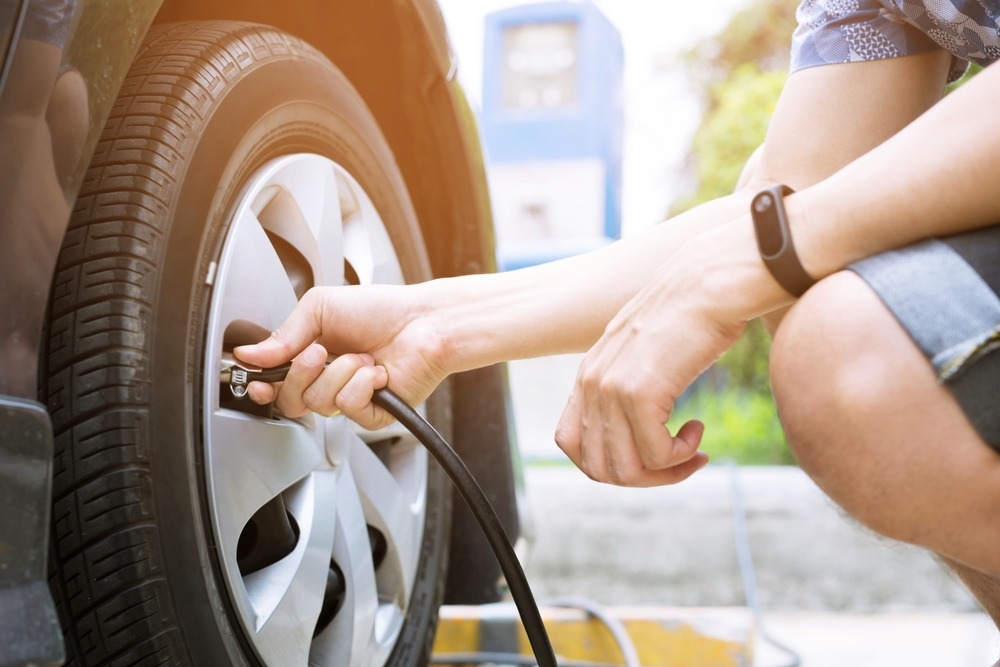
5. Practice Driving Before You Drive Alone
Towing can change the way your vehicle handles, accelerates, and stops. Try towing for the first time in an empty parking lot. You have to get used to making wider turns, driving backward, and needing more space to stop. Driving is about repetition, not luck.
6. Inspect the Tire Air Pressure on Both Vehicles
Likewise, it is easy to focus on the tow vehicle and forget the trailer. Both sets of tires must be inflated properly for the load they are carrying. Underinflated trailer tires can cause blowouts during long drives, especially as Pennsylvania's hills and temperatures vary with the terrain.

7. Mind Your Mirrors and Sightlines
Being able to see around a big trailer can take some getting used to. Towing mirrors and/or extensions can make a tremendous difference when changing lanes or merging. Be sure to give yourself extra time and space until checking your blind spots with a trailer becomes second nature.
8. Distribute Weight Properly
Similarly important is how you load a trailer, as a load that is too far forward or too far backward can make the trailer sway or become difficult to maneuver. About 60% of the load should be toward the front and balanced from side to side.
9. Get Your Rig Inspected
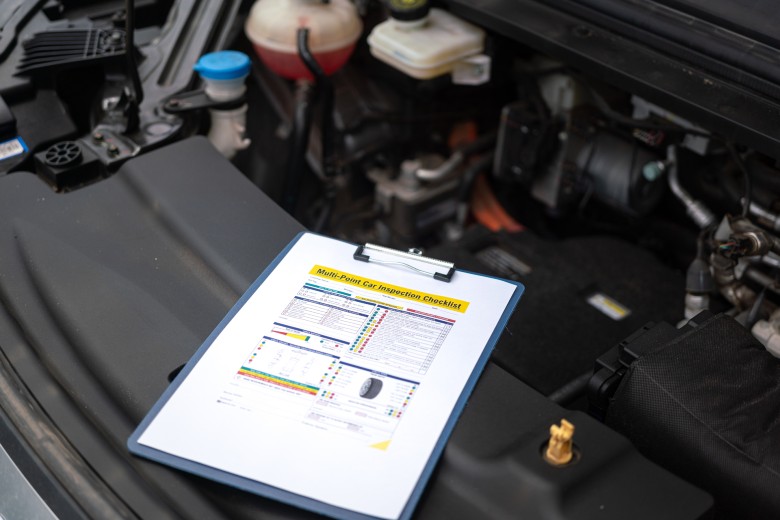
If you're planning a long trip, get your hitch, wiring, brakes, and tires checked by an expert before leaving. We recommend visiting our service center. A small problem is easier to fix before it escalates into a larger problem that will leave you sitting on the side of the road.
10. Recognize When You Might Need a New Truck
Sometimes your trailer outgrows the truck you have now, and that's completely okay and normal! If your current vehicle doesn't have the full complement of specifications to effectively pull your trailer, we have a variety of trade-in options and auto financing that can make upgrading to something like a Silverado easier than anyone would think possible.
Schedule a Pre-Trip InspectionGet Help With Your First Tow at Bortz Chevrolet
Do you need help with towing, setting up a hitch, or determining whether your truck or vehicle will be able to pull the trailer you want? Come visit us at Bortz Chevrolet, and we will help you out! Stop by today to test drive a new truck or to let us help you find the right one for your trailer pulling needs.
Frequently Asked Questions
What is the most important number to know before towing a trailer?
Your vehicle's towing capacity is the most important number to look up before towing anything. It varies based on engine size, axle ratio, and vehicle configuration, so check your owner's manual or ask the team at Bortz Chevrolet for the safe limit for your vehicle.
What is the difference between towing capacity, GVWR and payload?
Towing capacity is how much your vehicle can pull, while Gross Vehicle Weight Rating (GVWR) and payload account for passengers, cargo, and tongue weight, not just what's behind the hitch. Exceeding these limits can put considerable stress on your suspension and brakes.
Do I need trailer brakes and a brake controller?
Heavier trailers typically need their own brakes, and your tow vehicle must be equipped with a compatible brake controller to match them. Without one, stopping distances get longer and your vehicle's brakes do extra work.
How should I load my trailer?
About 60% of the load should be toward the front of the trailer and balanced from side to side. A load that is too far forward or too far back can make the trailer sway or become difficult to maneuver.
Where can I get my truck and trailer inspected near Waynesburg, PA?
The service center at Bortz Chevrolet, 249 East Roy Furman Highway in Waynesburg, PA, can check your hitch, wiring, brakes, and tires before a long trip. Schedule service online to get your rig ready.